



Storing Cacao Beans — Protecting Quality After Drying

TRANSFORMING CACAO • FIELD NOTES
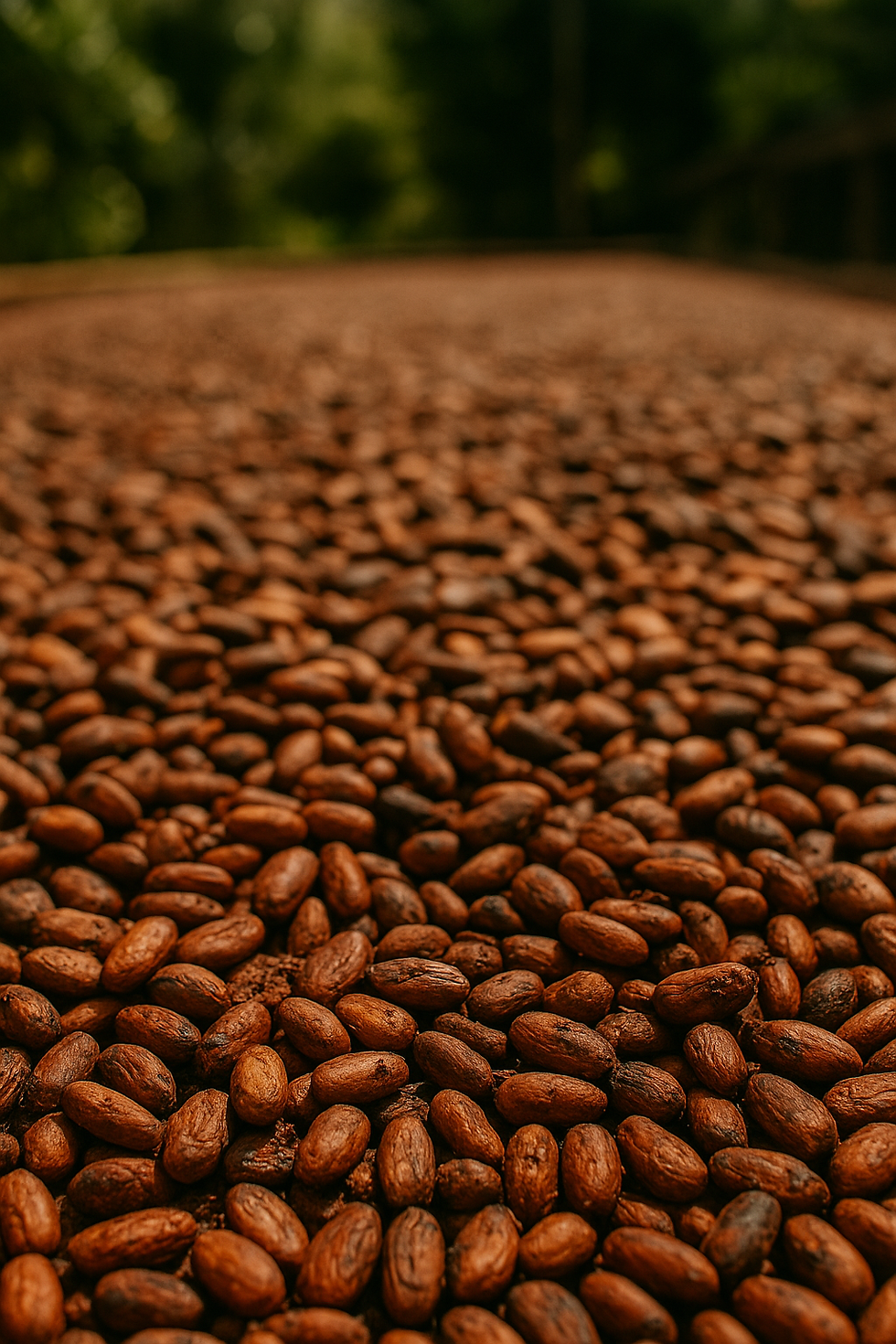
Drying makes cacao easier to store, but it does not freeze quality in place. A well-fermented lot can still absorb moisture, pick up unwanted odors or become infested before it reaches the roaster. Storage is the quiet stage that protects the work already done.
Dry beans can become wet again
Industry guidance places typical bean moisture near 7%. Above 8%, the risk of microbial growth and quality loss rises; excessive drying below roughly 6.5% makes shells brittle and increases breakage. These are bean-moisture values, not the humidity shown by a room hygrometer. [1]
That distinction matters. A room reading describes the air; a bean-moisture measurement describes the cacao. Neither should be substituted for the other when accepting a shipment or investigating a storage problem.
Protect the lot from its surroundings
The industry storage guide identifies rehumidification, mold, fat deterioration, pests and contamination from neighboring goods as major risks. It recommends sound, clean storage buildings and new, strong bags suitable for food contact. Bags previously used for allergenic crops can introduce cross-contact. Lot identification should remain intact throughout storage. [2]
High tropical humidity makes long holding periods especially difficult. The guide advises against storage beyond three months under those conditions unless special precautions are taken. That is a contextual recommendation, not a universal expiration date for every bean in every climate. [2]
Packaging is part of a system
Heirloom Cacao Preservation’s evaluation protocol calls for clean, odor-free breathable bags and protection from excess moisture and infestation. It also stores received samples under controlled temperature and humidity. These instructions belong to that evaluation system; they should not be read as proof that a breathable sack alone is sufficient in any storeroom. [3]
For a producer, the practical question is whether the chosen package and room together preserve the lot. A bag cannot compensate for a leak, persistent dampness or a strong-smelling neighboring product. Document the packaging, arrival condition and storage location so later changes can be traced.
The journey can undo good storage
Transport adds another problem: condensation. Industry guidance notes that temperature fluctuations can re-wet even well-dried cacao. Loading areas should protect bags from rain, while vehicles and containers must be clean, dry and free of residues or odors from previous cargo. [4]
Inspect a delivery before mixing it into existing stock. Keep lot labels, note damaged or damp packaging, and investigate unusual odors or signs of pests. Maintaining separate lot records makes it possible to connect a quality problem to its history instead of losing that information in a combined batch.
What to record
A concise receiving and storage log can include the supplier’s lot code, receipt date, packaging condition, measured bean moisture, room temperature and humidity, inspection observations, and the date the lot enters production. This is a practical recordkeeping framework, not a substitute for the business’s food-safety plan.
Return to Sun Drying — Preparing Cacao for Its Journey, or continue toward Roasting — Bringing Flavor into Focus.


Comments