
Cacao Bars: How XOL Makes 65%, 80% & 100% Chocolate

Updated: 3 hours ago
Chocolate does not need a complicated ingredient list.
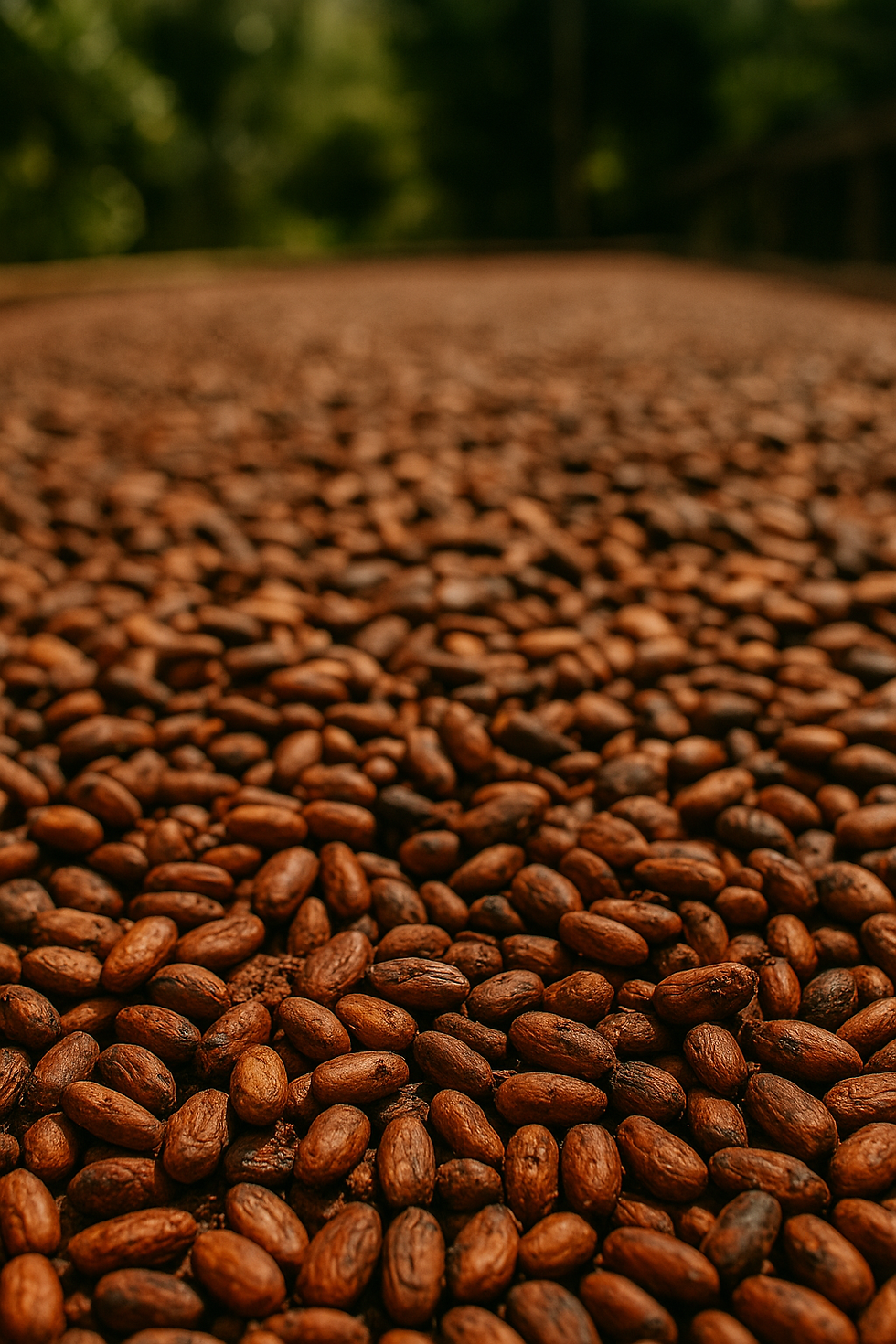
At XOL, our cacao bars begin with the same cacao we use for our ceremonial cacao products.
Our current cacao comes from Esmeraldas, Ecuador, through a cooperative working with smallholder farms.
After fermentation and drying at origin, the cacao comes to Tampa, where we lightly roast, crack, winnow, and stone-grind it ourselves.
From there, we turn that cacao into three different bars: 65%, 80%, and 100% cacao.
What does the cacao percentage mean?
On our bars, the percentage tells you how much of the formula is cacao.
Our 65% and 80% bars are made with cacao mass and panela.
Our 100% bar contains only cacao mass.
So as the cacao percentage increases, the proportion of panela decreases until the 100% bar contains no added sugar at all.
That creates three very different chocolate experiences from essentially the same foundation.
65% cacao
Our 65% bar is the smoothest and sweetest of the three.
It still contains a substantial amount of cacao, but the additional panela softens cacao's natural bitterness and makes the bar more approachable for people accustomed to conventional dark chocolate.
If you enjoy dark chocolate but still want noticeable sweetness, this is the easiest place to start.
80% cacao
The 80% bar shifts the balance much further toward cacao.
It contains less panela, giving the cacao itself more room to dominate the flavor.
You can expect a darker, less sweet chocolate experience with more of the bitterness, roast character, acidity, and other flavor notes naturally associated with cacao.
For many dark-chocolate drinkers and eaters, this is the middle ground between sweetened chocolate and completely unsweetened cacao.
100% cacao
Our 100% bar is the simplest.
The only ingredient is cacao mass.
There is no added sugar or sweetener.
That means you are tasting the cacao without sweetness masking its natural bitterness or acidity.
A 100% cacao bar will not taste like conventional candy.
That is the point.
It is for someone who wants cacao itself.
Why panela?
When we make our sweetened bars, we use panela rather than conventional refined white sugar.
Panela is made from sugarcane juice that is concentrated until the water is removed and the cane sugars solidify.
Because the molasses fraction is not separated in the same way it is during production of highly refined white sugar, panela has a deeper cane flavor that can bring caramel-like and molasses-like notes to chocolate.
We do not use panela because we consider sugar a health food.
Sugar is still sugar.
We use it because we like its flavor and because its less-refined character works well with the cacao we make.
From bean to bar in Tampa
Once our fermented and dried cacao arrives from Ecuador, much of the finished process happens in our own hands.
We lightly roast the beans.
We crack them.
We winnow away the outer husk.
We stone-grind the remaining nibs into cacao mass.
For our sweetened bars, we combine that cacao with panela in the appropriate proportion.
The chocolate is then formed into bars and packaged in small batches.
This gives us direct control over much of the process between imported cacao bean and finished XOL bar.
Why small batches?
Cacao is an agricultural product.
Different harvests can taste slightly different even when they come from the same region.
Weather, fermentation, drying, genetics, storage, and roasting can all influence the finished flavor.
Large chocolate manufacturers often work hard to eliminate those differences so one bar tastes exactly like the next year after year.
We take a somewhat different approach.
Consistency matters, but we do not think every trace of natural variation has to disappear.
Our goal is to make good chocolate while still allowing the cacao to taste like cacao.
Which bar should you choose?
Choose 65% if you want the sweetest and smoothest option.
Choose 80% if you want darker chocolate with less sweetness and a stronger cacao flavor.
Choose 100% if you want pure, completely unsweetened cacao.
All three begin with the same basic idea:
good cacao, simple ingredients, small-batch processing, and as little unnecessary complexity as possible.
That is what we want an XOL cacao bar to be.

Comments