


Cacao Brings Us Together: Montegrande 6000 in Peru

Cacao Brings Us Together | Upcoming event | October 29, 2026
In the northern Peruvian city of Jaén, a gathering planned for December will bring together cacao growers, researchers, chocolate makers and buyers around a question much larger than a chocolate bar: how do we understand cacao's past while building a better future for the people who grow it?
The Montegrande 6000 International Convention on the Origin and Future of Cacao is scheduled for December 7–13, 2026, in Jaén, Cajamarca, Peru. The organizer's current program combines scientific presentations, farm and processing visits, cacao tastings, workshops, trade meetings and competitions.
A meeting place between archaeology and agriculture
The name Montegrande refers to an archaeological site near Jaén where researchers are investigating early human communities and evidence connected to cacao. Archaeologist Quirino Olivera Núñez and collaborators have drawn attention to the region's importance for understanding ancient Amazonian societies.
The event's organizers emphasize the significance of this heritage, but scientific claims about cacao's earliest use and domestication require careful interpretation. Archaeological dates, cacao residues and hypotheses about human cultivation are not interchangeable, and ongoing research may refine the picture. The convention provides a chance to examine the evidence rather than turn an evolving history into a marketing slogan.
The Universidad Nacional de Jaén announced its participation in September 2026, including support for the scientific and academic program. Its researchers have also met with regional cacao producers as part of preparations.
Seven days across the cacao journey
The first part of the published program, December 7–10, focuses on practical learning: cacao genetics and propagation, agroforestry and crop management, fermentation, drying, sensory evaluation, cacao drinks, and visits to farms and processing sites.
The December 11–12 congress is scheduled to bring archaeology, biodiversity, cacao quality, bioactive compounds, sustainability, traceability, financing and export logistics into the same conversation. These are scheduled presentations and panels, not research findings or commercial commitments already delivered.
On December 13, the planned activities include a specialty-cacao tasting competition, an ancestral cacao beverage competition, displays of finalist lots, a cacao-origin auction and business meetings. Any auction sales, signed contracts or investment results will need to be verified after the event.
Why bringing people together matters
Cacao's history belongs to the places and communities that have grown, used and transformed it for generations. Yet the modern cacao economy also depends on science, post-harvest expertise, transparent trade and the ability of growers to earn a sustainable living.
The most meaningful part of Montegrande 6000 may be the opportunity for these worlds to speak directly to each other: an archaeologist with a farmer, a cooperative with a buyer, or a cacao beverage maker with someone discovering the fruit for the first time.
For XOL, that is exactly why cacao brings us together. Understanding cacao means listening to the people at its origin, respecting the evidence of its past and supporting a future where more value and recognition remain with producing communities.
What we'll be watching
After the convention, the important questions will be concrete. Which producer groups participated? What did the research presentations actually establish? Were specialty lots sold at transparent prices? Did new business relationships lead to verifiable opportunities for growers?
The answers will matter more than attendance projections or ceremonial agreements. XOL is following the gathering as an interested cacao-centered business; we are not announcing participation or sponsorship.
Sources and further reading
Editor's date note: The Universidad Nacional de Jaén's September 10 announcement used an earlier November 30–December 6 schedule. This article follows the event organizer's later published December 7–13 schedule. Confirm details with the organizer before making travel plans.
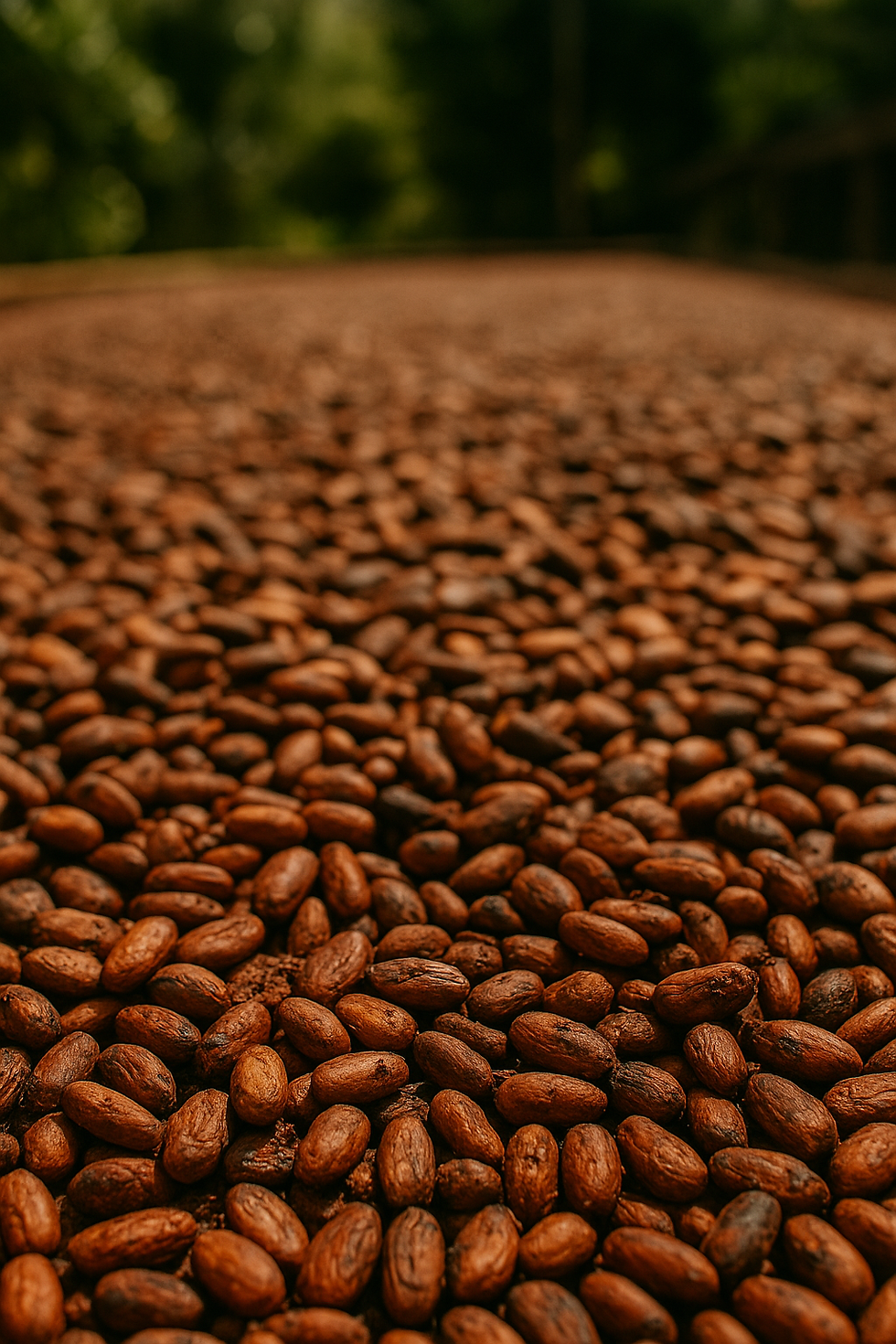
Cover image: archival cacao fruit photograph from XOL's existing media library, illustrating cacao cultivation in Peru. It does not depict the convention.


Comments