


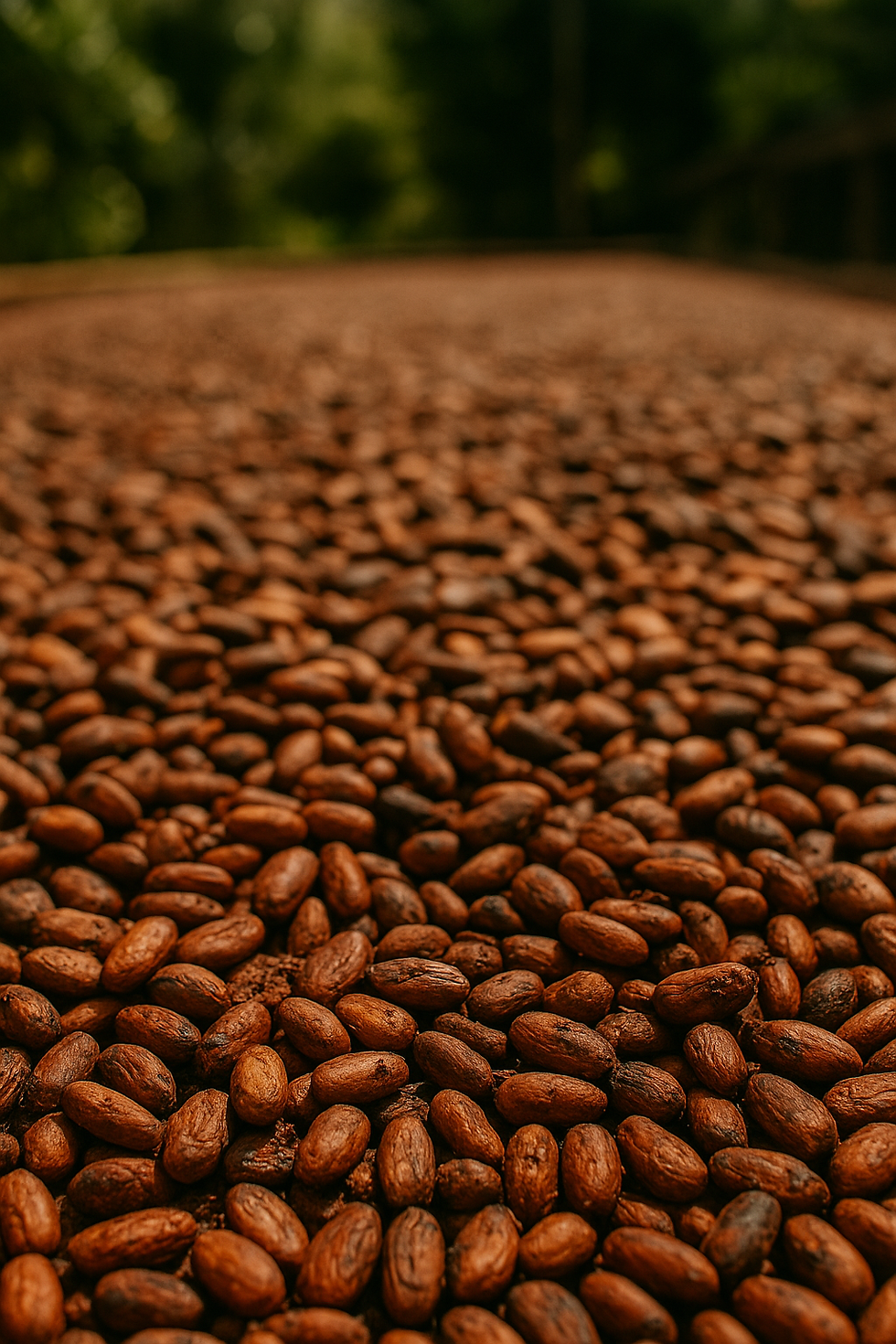

History of Cacao: Part 2 — How Cacao Began to Travel

Before cacao crossed an ocean, it spread through the landscapes of South America: humid forests, river valleys, Andean foothills, and settlements along the Pacific coast.
Its journey began long before the chocolate bar. People moved the plant beyond its original range, cultivated it in new surroundings, and helped shape the diversity carried by cacao trees today. [1] [2]
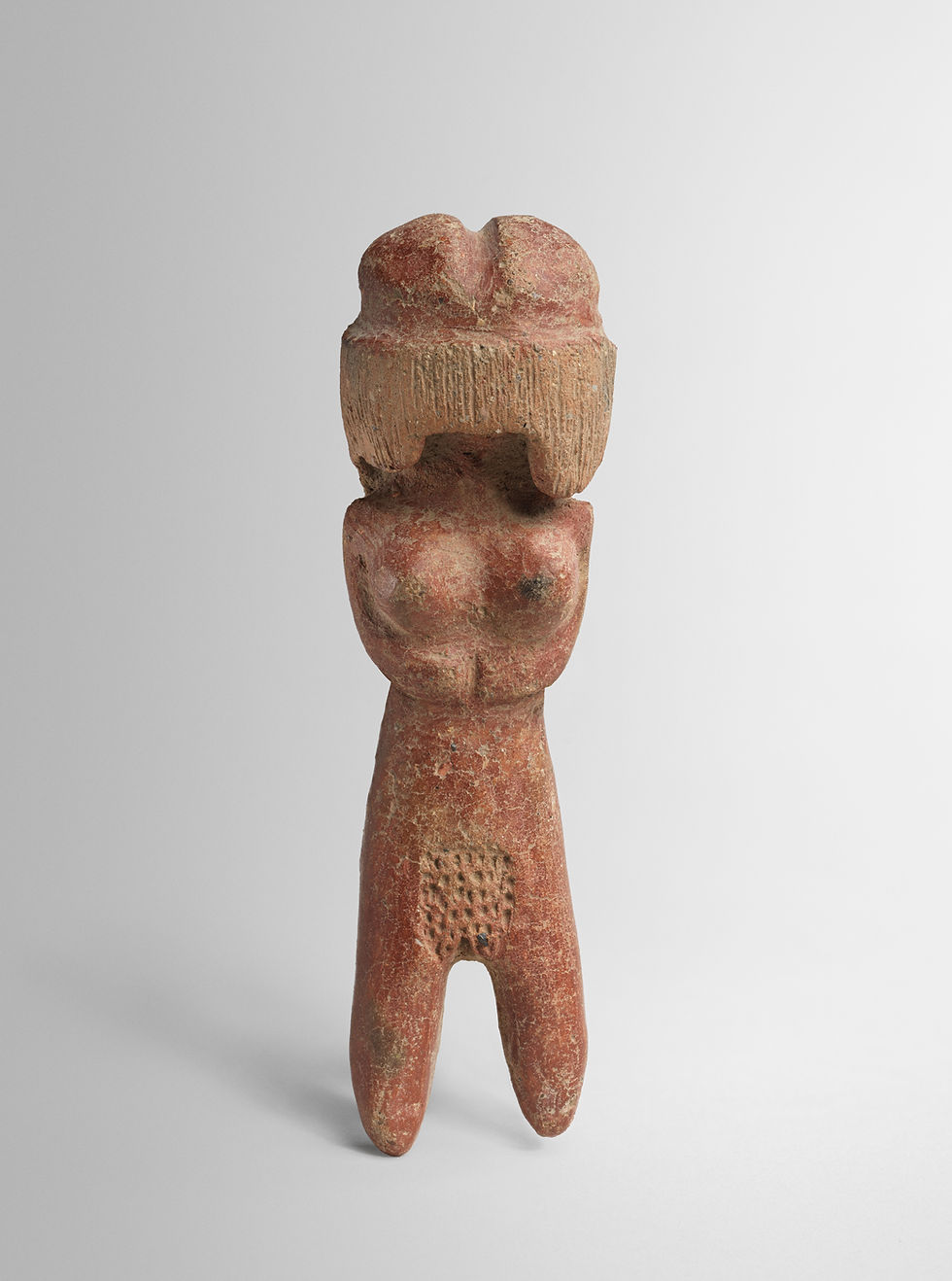
Between The Forest And The Sea
At Santa Ana–La Florida, near present-day Palanda in southeastern Ecuador, cacao was already in use approximately 5,300 years ago. Starch grains, chemical residues, and ancient DNA survived on objects left by the Mayo-Chinchipe community. [3]
Other objects connected this inland settlement to a different landscape. Fragments of Pacific seashells appeared in its funerary deposits. Ocean materials had reached the eastern foothills of the Andes, linking the coast with the upper Amazon. [4]
The setting brings two worlds into view: the forest where cacao grew and the distant shore from which those shells came. The community at Palanda belonged to a wider network of interaction.

Cacao Reaches The Coast
By about 5,000 years ago, cacao was being used beyond its Amazonian area of origin. Traces preserved in coastal pottery place it among communities in what are now Ecuador and Colombia. [1]
In Ecuador, cacao DNA has been identified in vessels associated with Valdivia, one of the region’s early pottery-making cultures. It also appears in pottery from later cultures, including Machalilla and Chorrera. Pots, bowls, and bottles preserve the record across successive periods. [1]

The Journey Inside The Seed
Cacao’s genetic ancestry carries another part of this history. Ancient samples from Valdivia show connections with several cacao groups, including groups associated with the Peruvian Amazon. Researchers interpret this diversity as evidence of exchanges between geographically separated populations. [1]
Human movement helped bring different cacao populations into contact. Cultivation and selection continued over generations, contributing to the plant’s spread and the formation of new populations. [1] [2]

This was a history of living trees as well as harvested food. Establishing cacao in another region extended its presence beyond a single exchange, placing the plant within another community’s cultivated landscape. [2]
A Wider American World
Long before cacao entered the Atlantic trade, its American history already connected distant environments and communities.
From these early South American connections, the story leads north, into the archaeological record of Central America and southern Mexico.
Sources
[1] Lanaud, C., et al. (2024). A revisited history of cacao domestication in pre-Columbian times revealed by archaeogenomic approaches. Scientific Reports 14, 2972.
[2] Colli-Silva, M., et al. (2024). Human influence on the distribution of cacao: insights from remote sensing and biogeography. Biodiversity and Conservation 33, 1009–1025.
[3] Zarrillo, S., et al. (2018). The use and domestication of Theobroma cacao during the mid-Holocene in the upper Amazon. Nature Ecology & Evolution 2, 1879–1888.
[4] Permanent Delegation of Ecuador to UNESCO (2026). Ecuadorian Cacao Cultural Landscape. Tentative List submission; archaeological description of Santa Ana–La Florida.


Comments