


Extreme Heat Is Reshaping Cacao Farming in West Africa

A Reuters investigation published October 20, 2026, reveals how enormous, long-lasting heat waves are reshaping agriculture around the world. In Côte d’Ivoire, one of the world's leading cacao-producing countries, extreme heat and drought from late 2023 into 2024 damaged cacao trees and sharply reduced harvests. The report follows the family of cocoa farmer and village chief Brou Kouassi, showing the human cost behind volatile chocolate prices.
Using hourly temperature data going back to 1960, Reuters found that its newly defined “heat storms” increased from about five active events annually in the 1960s to about 102 per year this decade. Heat was not the only factor in the cacao losses: drought, disease, and El Niño also played roles.
Why it matters: the future of cacao depends not only on global supply figures, but on the resilience of farms and the communities who sustain them. Shade management, tree health, diversification, and producer livelihoods are increasingly important questions for everyone who sources cacao.
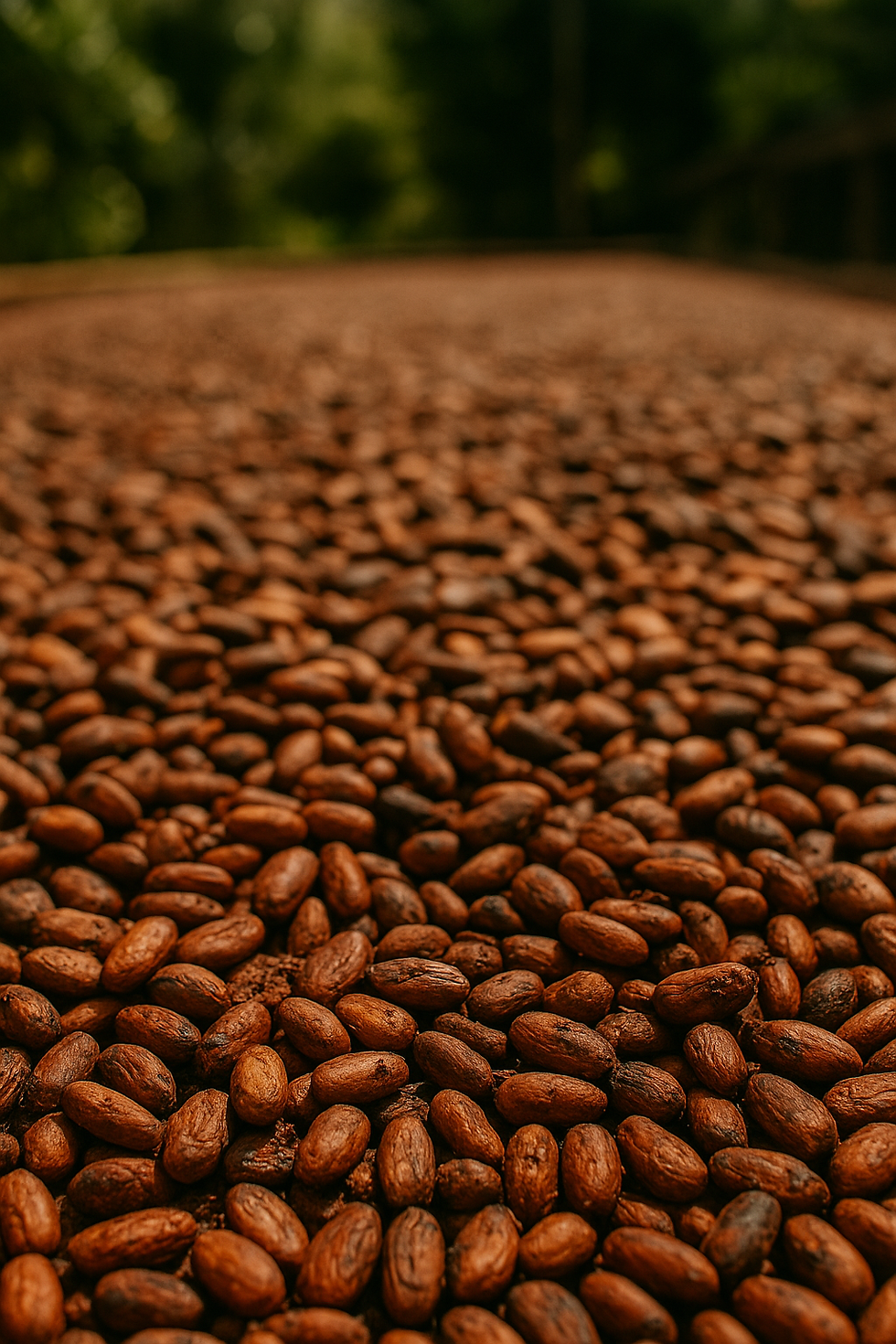
Related photograph: a cocoa farm, photographed November 20, 2020, by Otuo-Akyampong Boakye, via Wikimedia Commons (CC BY-SA 4.0). This is illustrative imagery, not a photograph of the farmers in the Reuters investigation. Photo and license


Comments