


El Niño and Cacao: Why the Weather Pattern Matters to Chocolate

El Niño begins thousands of miles from cacao farms, in the tropical Pacific Ocean. But by shifting rainfall and temperatures around the world, it can affect the health of cacao trees, the livelihoods of growers and, eventually, the price of chocolate.
The risks are not the same everywhere. In parts of West Africa, El Niño can contribute to hotter, drier conditions that stress trees and interrupt pod development. In coastal Ecuador, it can bring unusually heavy rainfall, increasing flooding and disease risks. Neither outcome is guaranteed on every farm.
On July 30, 2026, Reuters reported that Ghana's cocoa regulator expected production to fall by at least 16% in the 2026–27 season. COCOBOD cited several factors—including potential El Niño conditions, excessive earlier rains, disease and the natural fruit-bearing cycle of cacao. The forecast was not a confirmed harvest loss, and El Niño was not the sole cause.
The risk is current: NOAA's October 8 advisory confirmed a strengthening El Niño and said a strong-to-very strong event was likely into early 2027. Farmers and cacao buyers will be watching local rainfall, heat, pod development and disease—not just the headline El Niño forecast.
Why it matters for XOL: weather risks can affect different cacao origins in different ways. Diverse sourcing relationships, transparent conversations with producers and attention to crop conditions matter more than assuming all cacao-producing countries will experience the same disruption.
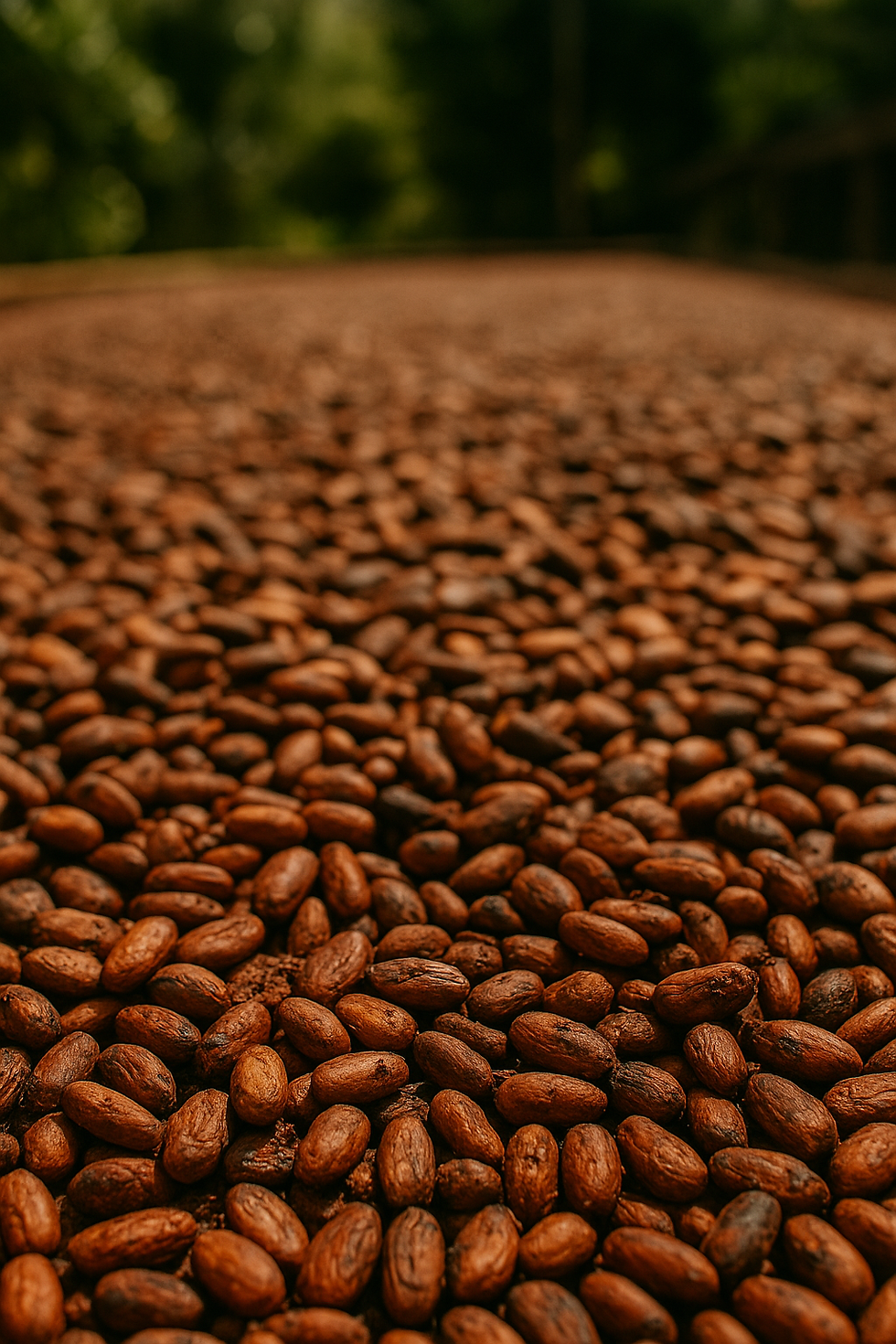
Photograph: Ghanaian cocoa farmer, Rberchie, August 28, 2014. Licensed CC BY-SA 4.0 via Wikimedia Commons. Illustrative archival photograph, not a scene from the 2026 crop forecast. Photo credit and license


Comments