


Cultured Cacao Reaches Professional Kitchens

On October 21, 2026, U.S. biotechnology company GALY announced that its cell-cultured cocoa technology had reached a commercial milestone: initial orders for chocolate intended for professional kitchens. It is an intriguing step for a crop that has been cultivated for millennia, but an important distinction remains—the chocolate reaching chefs today is a blend, not a product made entirely from cultured cells.
A chocolate-making process without growing a cacao tree
Instead of waiting for a cacao tree to grow pods, GALY starts with plant cells taken from cacao and multiplies them in controlled cultivation tanks. The harvested material is then fermented, roasted and ground into cocoa powder. Through its WunderHaus brand, the company combines this cultured ingredient with conventionally sourced cocoa ingredients to make couverture and baking chocolate.
That distinction matters. This is not a cocoa-free imitation made from other plants, nor proof that an entire chocolate bar can now be produced economically without agricultural cacao. It is an early commercial application of real cacao cells, using a hybrid recipe.
Why the first customers are chefs
According to GALY's October 21 announcement, Boston restaurant Troquet on South has placed one of WunderHaus's first purchase orders. A Dubai chocolatier has also placed an initial order, while additional restaurants and hotels are evaluating the chocolate for their winter menus. The Boston restaurant is expected to showcase it in December.
A professional kitchen is a practical testing ground. Chefs can judge whether this chocolate melts, tastes, sets and behaves like the couverture they already depend on. GALY reports that early collaborators are exploring pastry applications and savory dishes. Those customer orders are meaningful, but they are not evidence of broad supermarket availability or industrial-scale adoption.
A new option for cacao—or a challenge to growers?
Controlled cell cultivation might eventually reduce dependence on harvest seasons, disease-prone trees and weather disruptions. Whether it can do so affordably and with a smaller environmental footprint still needs independent evaluation. In an October 20 interview with Green Queen, GALY acknowledged that it had not yet completed a cacao-specific life-cycle assessment; its preliminary resource-use estimates remain unverified.
There is also a human question. Cacao is not only an ingredient but a livelihood, a field of expertise and a living cultural tradition across producing regions. GALY says it is exploring collaboration with growers in Africa and Latin America. The meaningful test will be whether those partnerships create real opportunities for producers rather than merely borrowing the crop's identity.
What happens next
The next visible milestone is WunderHaus's anticipated restaurant debut in Boston in December 2026. The company is also working toward UAE expansion in 2027, subject to regulatory and operational requirements. Watch for independently documented product performance, production capacity, transparent costs and a cacao-specific environmental assessment.
For XOL, where cacao's origin, craft and the people who grow it are central to the story, this development is worth following with curiosity rather than fear or premature celebration. Innovation and traditional cultivation do not have to be opposites—but the evidence will determine whether they genuinely complement one another.
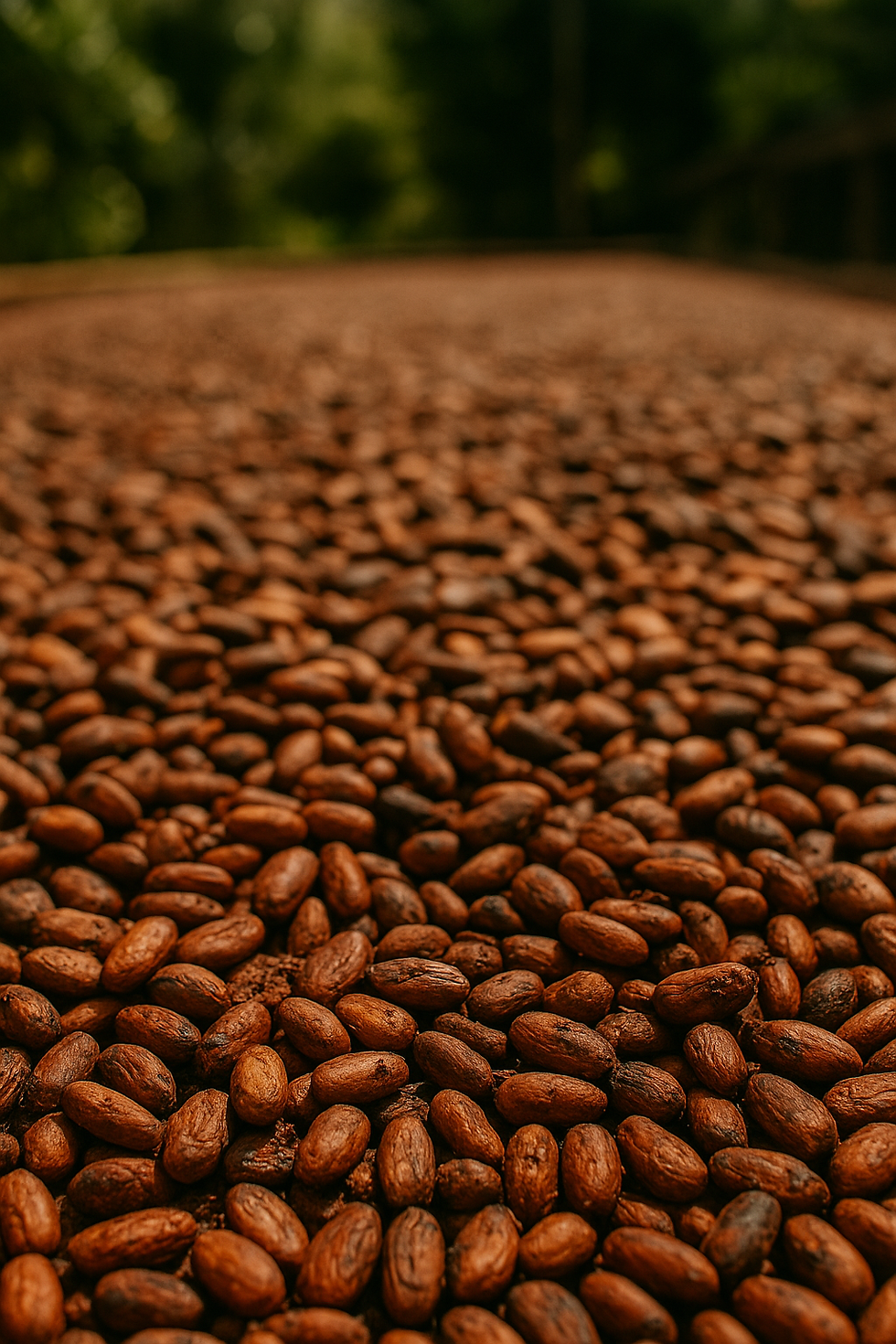
Photograph: GALY/WunderHaus, courtesy of Green Queen's October 2026 coverage.


Comments